


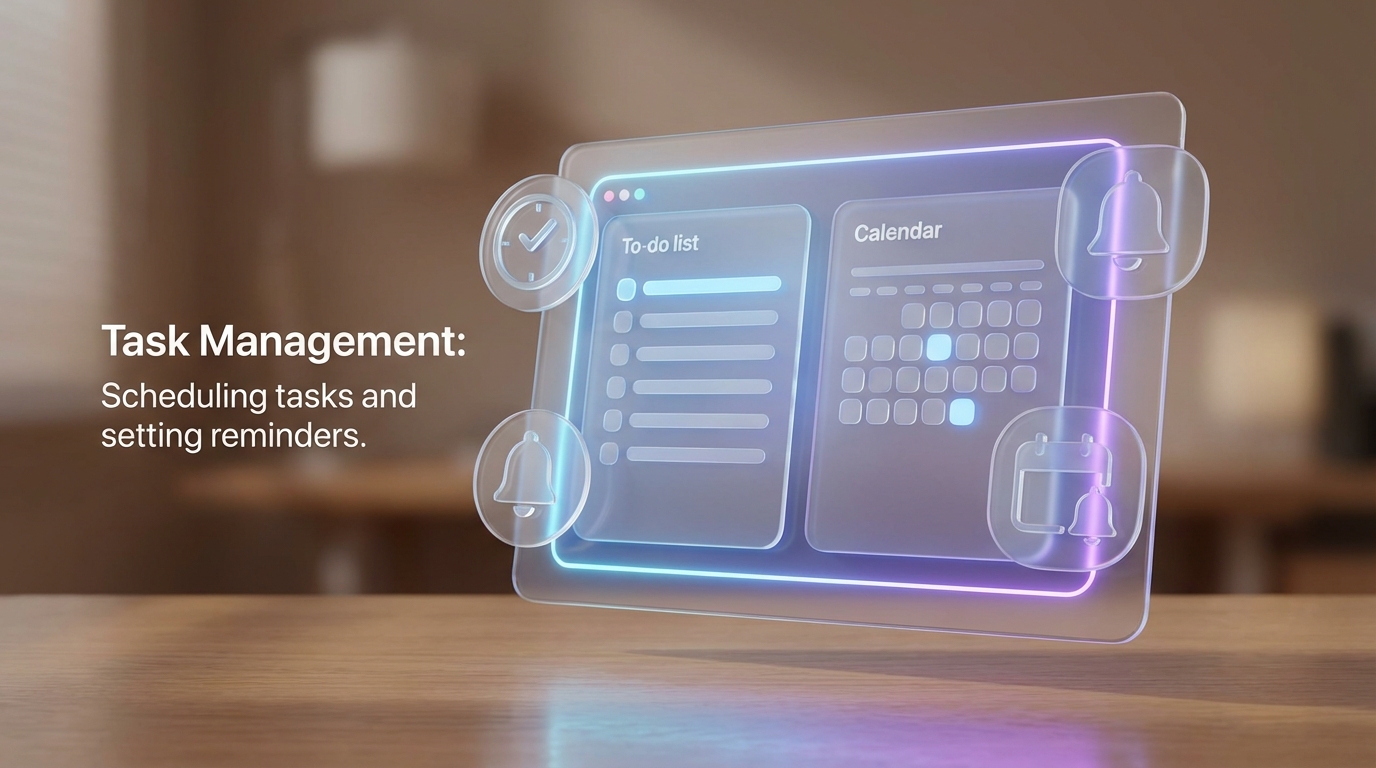
Mastering Productivity: A Deep Dive into Task manager on the Workduty Platform
Introduction
In today’s fast-paced professional landscape, staying organized is no longer a luxury; it is a fundamental necessity. Teams juggle multiple projects, deadlines loom constantly, and the sheer volume of daily tasks can become overwhelming. Effective task manager provides the necessary structure to navigate this complexity, ensuring that efforts are focused and nothing critical falls through the cracks. Modern digital solutions have transformed how we approach our work. Among these, the Workduty platform emerges as a powerful ally, offering a centralized hub to streamline workflows and boost team collaboration.
Task manager
Task manager

Understanding the Core of Task Management
Before exploring specific tools, one must grasp the principles of sound task management. Essentially, it is the process of guiding a task from its inception to its completion. This lifecycle involves planning, tracking, and reporting. Breaking down large projects into smaller, manageable assignments is a critical first step. Subsequently, prioritizing these items based on urgency and importance helps individuals focus on what truly matters. Clear delegation of responsibilities eliminates confusion, while setting realistic deadlines maintains momentum. When these elements align, productivity naturally increases, and stress levels decrease significantly.
Key Features of the Workduty Platform
Workduty distinguishes itself through a user-centric design focused on clarity and control. The platform offers intuitive dashboards that provide a real-time overview of all ongoing activities. Users can easily create new tasks, assign them to specific team members, and set concrete due dates with just a few clicks. Furthermore, its robust prioritization system allows for tagging items as high, medium, or low priority. This visual cue helps teams immediately identify where to direct their energy. Collaboration is also seamless, as the platform enables users to attach files, leave comments, and share updates directly within a task’s dedicated space.
Enhancing Team Collaboration and Transparency
Communication often becomes a bottleneck in traditional work environments. However, Workduty addresses this challenge by fostering transparency. Every team member can see who is responsible for what, which eliminates duplicate work and clarifies individual accountabilities. Instead of searching through endless email threads for information, colleagues can simply refer to the task’s comment history. This centralized communication thread keeps everyone aligned and informed. Consequently, meetings become more productive, shifting from status updates to strategic discussions about problem-solving and future initiatives.
Benefits of workduty task manager
Furthermore, implementing such a solution delivers multiple advantages. Workduty software immediately brings order to chaotic workflows. Teams gain crystal-clear visibility into every project’s status. Managers can assign responsibilities without endless email chains. Priorities become transparent, so everyone understands urgent tasks. This clarity naturally reduces workplace stress and confusion. Accountability also improves significantly across the organization. Each team member knows their specific deliverables and deadlines. Collaboration becomes smoother with centralized communication and file sharing. Consequently, projects progress faster with fewer misunderstandings or delays. The software also provides valuable performance data over time. Leaders can identify bottlenecks and optimize future workflows. Ultimately, these benefits translate into higher productivity and better results. Teams feel more organized and empowered to succeed together.
Tracking Progress and Analyzing Performance
Another significant advantage of using a dedicated platform is the ability to monitor progress effectively. Workduty provides visual tools, such as progress bars and status indicators, that show exactly how close a task is to completion. Managers can quickly assess team workload and identify potential bottlenecks before they cause delays. This data-driven approach supports better decision-making. Additionally, having a complete record of completed work creates a valuable knowledge base. Teams can review past projects to analyze what worked well and identify areas for future improvement, fostering a culture of continuous growth.
Implementing Effective Strategies on the Platform
Simply having a tool is not enough; one must use it wisely. To truly benefit from Workduty, teams should establish consistent habits. For instance, starting the day by reviewing one’s personal task list helps set a clear focus. It is also beneficial to regularly update task statuses to keep the information accurate for everyone. Managers should encourage team members to break larger assignments into smaller subtasks. This approach makes daunting projects feel more achievable and provides a sense of accomplishment with each small step forward. Embracing these simple practices transforms the platform from a passive storage space into an active engine for productivity.
Conclusion
Ultimately, the journey toward peak efficiency is paved with organization and clarity. Adopting a robust system like the Workduty platform represents a significant step in that direction. By centralizing tasks, enhancing communication, and providing transparent progress tracking, it empowers teams to move from chaos to control. Consequently, individuals can dedicate less energy to managing work and more energy to actually doing it. As the professional world continues to evolve, embracing such intelligent tools will be key to staying ahead, fostering collaboration, and achieving sustained success.
Reference
· Anthony, R. N., & Govindarajan, V. (2007). Management Control Systems (12th ed.). McGraw-Hill/Irwin.
· Anthony, R. N., & Hekimian, J. S. (1967). Operations cost control. R.D. Irwin.
· Bentley, T. J. (1980). Making cost control work: How managers can cut waste & improve performance. Prentice-Hall.
· Goh, J., & Hall, N. G. (2013). Total Cost Control in Project Management via Satisficing. Management Science, 59(6), 1354–1372.
· Hansen, D. R., & Mowen, M. M. (2003). Cost management: accounting and control (4th ed.). Thomson/South-Western.
· Hansen, D. R., & Mowen, M. M. (2006). Cost management: Accounting and control (5th ed.). Thomson/South-Western.
#Unlocking #Growth #Modern #CRM #System #Transform #Customer #Relationships #Drive #Business #Success