


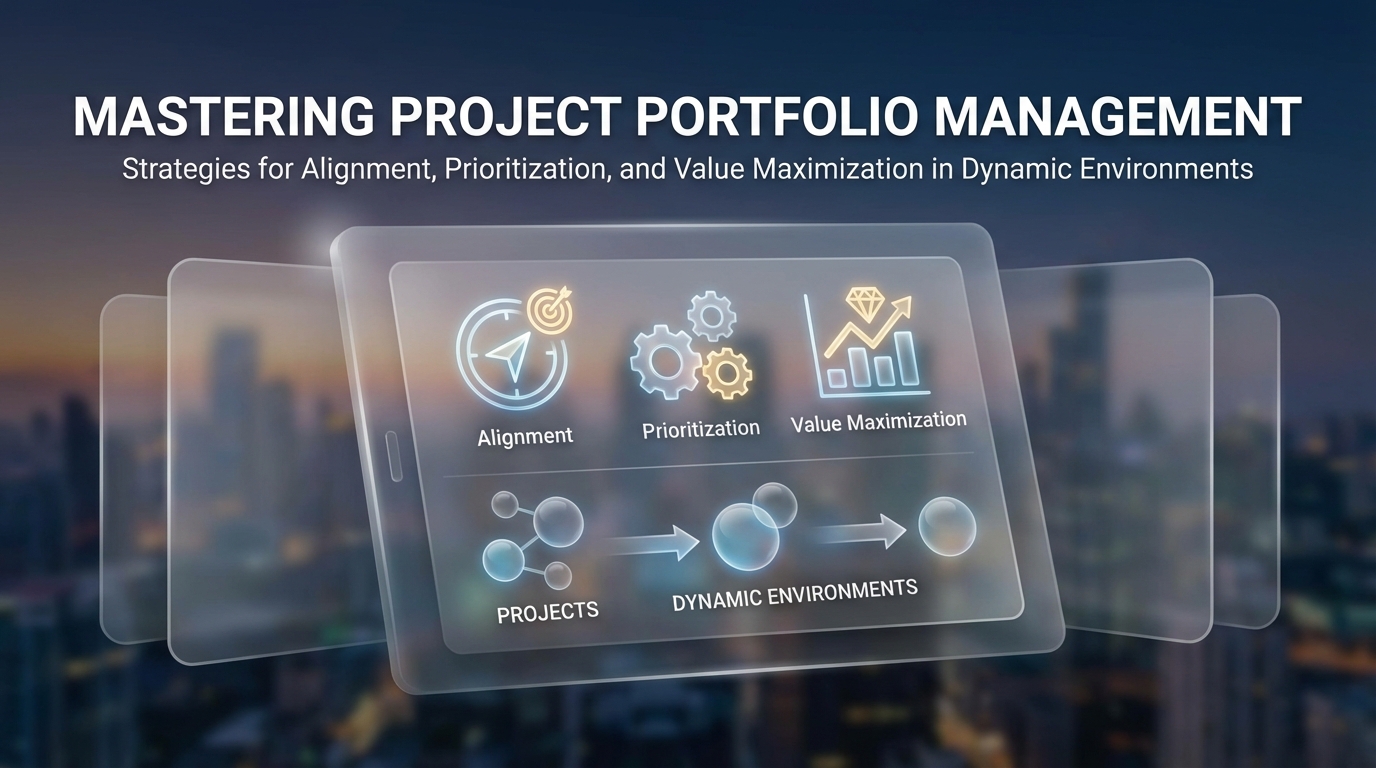
The Strategic Compass: Mastering Project Portfolio Optimization
Introduction
Organizations today face a constant challenge in choosing the right projects to pursue. Limited budgets, scarce resources, and ambitious goals demand a disciplined approach. Consequently, leaders must move beyond simple project selection to embrace Project Portfolio Optimization (PPO). This strategic process ensures that an organization’s collection of projects aligns perfectly with its core objectives. It is fundamentally about investing in the initiatives that deliver the greatest value. Therefore, this article explores the critical nature of PPO, detailing its importance, its numerous benefits, and the path to effective implementation.
Understanding the Core Concept
What is Project Portfolio Optimization?
Project Portfolio Optimization is a continuous, structured method for evaluating and selecting projects. It involves analyzing potential initiatives based on their expected returns, required resources, and inherent risks. Moreover, it provides a holistic view, allowing leaders to see how all projects interact and compete for the same funds and talent. Instead of managing projects in isolation, PPO manages them as a single, dynamic portfolio. This perspective ensures that every project contributes to the strategic whole. Ultimately, the goal is to achieve the best possible balance for maximum organizational impact.
Project Portfolio Optimization
Project Portfolio Optimization

Why Strategic Project Portfolio Optimization
The primary importance of PPO lies in its ability to connect daily work with long-term vision. Without this link, teams risk wasting effort on projects that do not support the company’s direction. In addition, a well-optimized portfolio guarantees that strategic priorities are funded first. This focused approach prevents mission drift and keeps the organization moving forward cohesively. It transforms strategy from a document on a shelf into an active driver of investment. Consequently, every project becomes a deliberate step toward achieving the company’s most important ambitions.
Key Benefits and Practical Advantages of Project Portfolio Optimization
The advantages of implementing a robust PPO process are substantial. It maximizes the value derived from every dollar and hour invested. Furthermore, it significantly improves resource utilization by preventing the over-allocation of key personnel. When projects are selected wisely, teams can focus on fewer, more critical tasks, which boosts productivity. Better visibility also allows for quicker identification and termination of underperforming projects, saving money. Another major benefit is enhanced risk management, as the portfolio can be balanced between high-risk, high-reward ventures and safer initiatives. This balance protects the organization from major failures while still pursuing innovation. Finally, PPO fosters a culture of transparency and data-driven decision-making across the company.
Navigating the Implementation Journey
Establishing a Robust Framework
Implementing PPO successfully requires a clear and consistent framework. The first step is to define the criteria by which all projects will be judged. These criteria should be directly linked to strategic goals, such as market growth or operational efficiency. Next, organizations need a centralized system for collecting and reviewing project data. This data must be reliable and up-to-date to support objective comparisons. The process also demands a governance structure with clear roles and responsibilities for portfolio decisions. By establishing this disciplined approach, companies can move from subjective opinions to objective analysis. This foundation is essential for fair and effective portfolio management.
Overcoming Common Implementation Hurdles
Transitioning to a PPO model is not without its challenges. One frequent obstacle is resistance from leaders who are used to championing their favorite projects. To overcome this, it is vital to communicate the fairness and transparency of the new process. Another hurdle is the lack of accurate data, which can undermine the entire selection process. Investing in proper project management tools and training is therefore crucial. Additionally, organizations must be prepared to make difficult choices, including killing beloved projects. Adopting an iterative approach allows for continuous learning and adjustment of the portfolio. By acknowledging these hurdles and planning for them, the path to successful optimization becomes much clearer.
Conclusion
In conclusion, Project Portfolio Optimization is an indispensable practice for any organization serious about achieving its goals. It moves project management from an administrative task to a strategic capability. By ensuring that every project aligns with strategy and delivers value, PPO maximizes return on investment and strengthens competitive advantage. The benefits of improved resource use, better risk balance, and transparent decision-making are too significant to ignore. Therefore, embracing this disciplined approach is not merely an option but a necessity for sustained success. It provides the strategic compass needed to navigate complexity and build a truly prosperous future.
Reference
· Anthony, R. N., & Govindarajan, V. (2007). Management Control Systems (12th ed.). McGraw-Hill/Irwin.
· Anthony, R. N., & Hekimian, J. S. (1967). Operations cost control. R.D. Irwin.
· Bentley, T. J. (1980). Making cost control work: How managers can cut waste & improve performance. Prentice-Hall.
· Goh, J., & Hall, N. G. (2013). Total Cost Control in Project Management via Satisficing. Management Science, 59(6), 1354–1372.
· Hansen, D. R., & Mowen, M. M. (2003). Cost management: accounting and control (4th ed.). Thomson/South-Western.
· Hansen, D. R., & Mowen, M. M. (2006). Cost management: Accounting and control (5th ed.). Thomson/South-Western.
#Mastering #Project #Portfolio #Management #Strategies #Alignment #Prioritization #Maximization #Dynamic #Environments
Related: Streamlining App Management: Best Practices for Organization, Optimization, and Enhanced User Experience, Unlock Your Productivity Potential: A Comprehensive Guide to Essential Time Management Tools and Techniques, Effective Cost Tracking: Strategies, Tools, and Best Practices for Streamlining Budgets and Maximizing Profitability