



Project planning: how to meet your target goals with Project Planning
In today’s fast-paced environment, mastering project management is crucial for achieving optimal results. A well-structured approach, facilitated by a robust Project Planner, transforms chaos into streamlined action. This guide unveils the secrets to effective project planning and seamless execution, empowering you to boost productivity and attain your goals efficiently. From defining clear objectives to monitoring progress and adapting to changes, discover how to unlock the full potential of your team and resources with the proper planning tools.
Project planning
Project planning
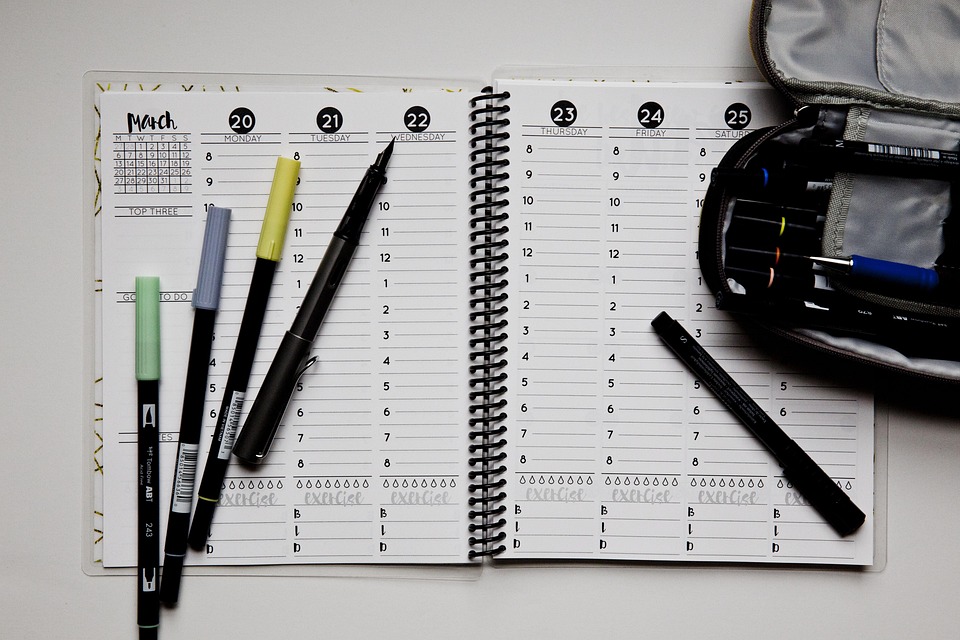
Understanding Project Planner: Defining Project Scope and Objectives
First, you need to understand your project by defining its scope and objectives. This means clearly stating what your project will achieve and, just as importantly, what it won’t include. You must set specific boundaries to prevent the work from growing beyond control. Then, outline your main goals to give your team a clear target. With these details decided, you can document everything in a formal project plan. Consequently, this roadmap will guide every future decision and action. lifecycle.
However, setting clear goals isn’t enough on its own. You must also assess your resources, including your time, budget, and team, to ensure they match your project’s needs. At the same time, look ahead for any potential risks or challenges that might appear. By identifying these roadblocks early, you can create plans to handle them before they grow. This careful preparation builds a stronger, more flexible plan. As a result, you’ll be ready for surprises and able to keep moving forward. Good planning now prevents bigger problems later.
Benefits of Project Planner
Using a project planner offers many practical benefits for your work. First, it keeps everyone organized by providing a clear schedule and task list for the whole team. This clarity helps prevent confusion and ensures that people finish their work on time. Moreover, a good planner improves communication, as all updates and changes are visible in one place. It also helps you track your budget and spot potential problems early, allowing you to fix them quickly. Ultimately, this structure saves you time and reduces stress. In the end, a solid plan leads to successful project delivery.
In the end, a solid plan leads to successful project delivery. To achieve this, you must document your project’s scope and objectives thoroughly. Create clear project charters that outline team roles and set up simple communication channels for everyone. These documents become your central guide, keeping the whole team informed and working together. Additionally, they serve as a helpful reference for future projects, capturing valuable lessons learned. Working together on these documents also builds strong ownership among the team. This investment in good documentation prevents confusion and boosts your chances of success.
Crafting a Detailed Project Execution Plan
With a firm grasp on the project’s objectives, the next crucial step involves crafting a detailed execution plan. This plan serves as a roadmap, outlining the specific tasks, timelines, and resources required to achieve the desired outcomes. Break down the project into smaller, manageable components, assigning each task to a specific team member with clear deadlines. A well-structured plan includes a Gantt chart or similar visual representation, showcasing the dependencies between tasks and the critical path. By meticulously mapping out the project’s journey, you enhance transparency, accountability, and the ability to track progress effectively. Don’t create such complex plans that they become difficult to adjust.
Project planning: Effective task management is the…
Effective task management is the cornerstone of a well-executed project plan. Utilize task management software or a similar system to track progress, assign responsibilities, and monitor deadlines. Regular progress updates and status meetings are crucial for identifying potential roadblocks and making necessary adjustments to the plan. Encourage open communication and collaboration among team members, fostering a supportive environment where challenges can be addressed proactively. Effective communication is the lubricant for a high-performing team. Be aware of individual team members communication style. This reduces friction and increases engagement.
How Project Planner Works
Project Planner: Risk management
Good teamwork turns plans into great results. To protect that progress, you must weave risk management into every stage of planning. Start by listing potential risks, then judge how likely they are and how much damage they could cause. Next, create simple strategies to handle them, such as backup plans or alternative approaches. Review your list often as the project moves forward, updating your plans when needed. Importantly, don’t ignore small or unlikely risks—they can cause big problems if they strike at the wrong time. By facing risks head-on, you keep disruptions small and your project steady. Smart preparation prevents small issues from becoming big headaches.
Utilizing a Digital Solution
This investment in good documentation prevents confusion and boosts your chances of success. Furthermore, using digital tools can make project management even smoother. Project planner software provides one central place to manage tasks, track progress, and share updates with your team. It offers helpful features like visual charts, task boards, and simple reports that show your project’s health at a glance. Choosing the right software depends on your team’s size and project needs. Ultimately, these tools help everyone work smarter and stay connected. They turn good plans into great results.
They turn good plans into great results. To make this happen, you must bring your team into the planning process from the start. This involvement naturally boosts efficiency and lowers stress for everyone. Of course, using the right software is vital for success. Therefore, take time to train your employees well, ensuring they feel confident using the tools. When everyone understands the software, communication becomes clear and simple. As a result, you achieve high transparency across the whole project. A well-trained team makes any plan work better.
Best Practices for Project Planner
Integrating a project planner will assist with the seamless integration of all the processes of project management from start to finish. If you have an efficient process in place you will be able to track your progress along the way and make any necessary adjustments to ensure the completion of the project to a high standard. All teams will be able to communicate with each other and update progress on their tasks.
Streamlining Workflow and Collaboration
A well-planned project simply works better. To keep things running smoothly, you must focus on optimizing workflow and building strong team collaboration. Start by setting up clear communication rules so everyone knows how to share updates and information. Use helpful tools like shared documents, video calls, and instant messaging to connect the team in real time. Encourage open dialogue and regular feedback to create a culture where people feel heard. This step truly matters because it sparks innovation and allows creativity to grow. Consequently, your team can solve tough problems and often deliver more than expected. Good teamwork turns plans into great results.
Project planning: Prioritization
Prioritization is key to efficient workflow. Identify the most critical tasks and focus your efforts on completing them first. Delegate tasks effectively, matching individual skills and strengths with the specific requirements of each assignment. Avoid bottlenecks by distributing the workload evenly and empowering team members to make decisions independently. This strategy not only accelerates project completion but also fosters a sense of ownership and accountability within the team. Prioritization is critical, but don’t forget to recognize the individuals who exceed expectation.
Monitoring Progress and Adapting to Change
Project Planner: Effective project management
Effective project management extends beyond initial planning and execution; it also encompasses continuous monitoring and adaptation. Track progress against the established timelines and milestones, identifying any deviations or delays promptly. Regularly review the project plan and make necessary adjustments to address unforeseen challenges or changing requirements. Flexibility and adaptability are crucial for navigating the dynamic landscape of project management. This is where a proper planning tool comes in handy. The right one can help you stay on track.
Project planning: Data-driven decision-making
A well-trained team makes any plan work better. To keep improving, you must also let data guide your choices. Collect and study relevant information to understand why things might go off track. Use simple reports and performance tools to spot trends and assess risks clearly. This approach helps you make smart decisions based on facts, not just opinions. Furthermore, always look for ways to learn and refine your process for next time. Ultimately, using data helps you adapt quickly and keep projects moving forward. Facts lead to better outcomes for everyone.
Project planning Tips and Tricks
Change management is an integral part of project management. Establish a clear process for managing change requests, assessing their impact, and implementing necessary adjustments to the project plan. Communicate changes effectively to all stakeholders, ensuring everyone is aware of the new direction and their respective roles. By embracing change and adapting proactively, you can minimize disruptions and keep the project moving forward, even in the face of uncertainty. Having a skilled team of managers in this position can make or break a project when change is involved.
Conclusion
Facts lead to better outcomes for everyone. In conclusion, project planning acts as your essential roadmap, guiding your team from the initial idea to a successful finish. It brings clarity by setting clear goals and responsibilities from day one. By assessing resources and spotting risks early, you create a strong foundation ready for surprises. Using helpful software and involving your team also boosts communication and openness. Moreover, letting data guide your choices helps you adapt smoothly when things shift. Ultimately, smart planning saves time, lowers stress, and stops costly errors. A well-planned project simply works better.
Reference
· Anthony, R. N., & Govindarajan, V. (2007). Management Control Systems (12th ed.). McGraw-Hill/Irwin.
· Anthony, R. N., & Hekimian, J. S. (1967). Operations cost control. R.D. Irwin.
· Bentley, T. J. (1980). Making cost control work: How managers can cut waste & improve performance. Prentice-Hall.
· Goh, J., & Hall, N. G. (2013). Total Cost Control in Project Management via Satisficing. Management Science, 59(6), 1354–1372.
· Hansen, D. R., & Mowen, M. M. (2003). Cost management: accounting and control (4th ed.). Thomson/South-Western.
· Hansen, D. R., & Mowen, M. M. (2006). Cost management: Accounting and control (5th ed.). Thomson/South-Western.
#Unleash #Productivity #Comprehensive #Guide #Effective #Project #Planning #Seamless #Execution #Optimal #Results
Project Planner: Related: Revolutionizing Your Business: How…
Related: Revolutionizing Your Business: How the Right Customer Relationship Software Can Drive Growth and Improve Customer Loyalty, Unlocking Growth: How Strategic Customer Resource Management Drives Revenue and Enhances Customer Loyalty, CRM Management Software: Streamlining Customer Relationships, Boosting Sales, and Enhancing Business Growth