



Project cost management: Successful project
Successful projects depend on many things, but managing costs in project is one of the most important. It requires careful planning, constant monitoring, and active control of every expense from start to finish. Mastering this skill ensures you finish within budget and helps your whole organization succeed. This article shares proven tips and techniques for better cost management. With these strategies, you can handle project finances with confidence. Ultimately, smart cost control leads to better results and long-term growth. It is a skill worth developing.
Managing cost in project
Managing cost in project
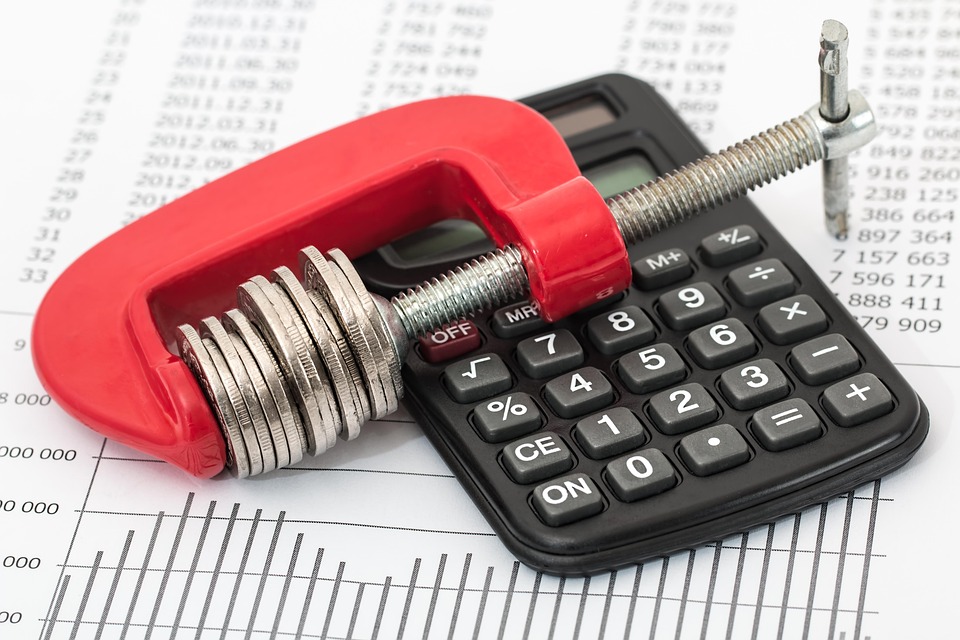
Understanding Managing cost in project: Establishing a Robust Cost Management Plan
A solid cost management plan is essential for keeping spending on track. To begin with, it explains how the team will estimate, budget, and control costs, and it also defines everyone’s role in the process. This plan uses specific tools and procedures, covering the whole project from start to finish. Moreover, it sets clear limits on how much actual costs can vary from the planned budget, signaling when action is needed. Because it’s a living document, the team must review and update it regularly to reflect any changes. This proactive approach keeps the plan effective over time. However, without this plan from the start, you can easily lose track of spending and blow your budget.
A detailed Work Breakdown Structure (WBS) is also a critical part of the cost management plan. It breaks the project into smaller tasks, allowing for more accurate cost estimates from the ground up. Each work package has a clear scope and needed resources, making it easier to spot potential overspending. The WBS then serves as a framework for tracking actual costs against the plan. By linking it to the project schedule, you can monitor performance and catch delays early. Additionally, a strong communication plan should be built into the WBS. This ensures team collaboration and clear updates between managers and stakeholders. In short, a good WBS keeps everyone aligned and the budget on track.
Benefits of Managing cost in project
Project cost management offers several key benefits for any project. First, it helps prevent budget overruns by keeping a close eye on spending. This means you can spot problems early and fix them before they get out of hand. As a result, stakeholders feel more confident because they see you are in control. Good cost management also helps you use resources wisely, avoiding waste and saving money. Furthermore, it provides clear data for making better decisions throughout the project. When you track costs against the plan, you learn what works and what doesn’t. This knowledge is valuable for future projects too. In the end, effective cost management means finishing on budget and satisfying everyone involved. It truly is the key to project success.
Accurate Cost Estimation Techniques
To set a realistic budget and prevent cost overruns, you need accurate cost estimation techniques. First, analogous estimating uses data from similar past projects, which is handy when details are limited. Alternatively, parametric estimating applies statistical relationships for greater precision. The most accurate method is bottom-up estimating, where you calculate costs for each task individually. Although time-consuming, this approach enables better cost control by providing a detailed breakdown. You can also combine these techniques for improved accuracy. For instance, use one method for the overall project, then refine it with another. Ultimately, estimates are never perfect. Therefore, always include a buffer for unexpected costs. This simple step protects your budget.
Contingency Reserves for Unforeseen Costs
Even with careful planning, unexpected events will impact project costs. That is why you need a contingency reserve. This is a dedicated fund set aside for unforeseen expenses. The reserve’s size depends on the project’s risk level. Complex projects naturally require larger buffers. Crucially, this fund must be managed separately from the main budget. You should only use it for costs not included in the initial estimates. Furthermore, a clear approval process is essential for accessing these funds. Regular reviews ensure the reserve stays adequate as risks change. Ultimately, you must account for these considerations early in the project planning phase. This foresight protects your budget from the unexpected.
Effective Cost Control Measures
Finally, implementing effective cost control measures is critical for keeping projects on budget. This means continuously monitoring costs, comparing them to the plan, and taking action when needed. A powerful tool for this is Earned Value Management (EVM). It integrates scope, schedule, and cost data to track project performance. By comparing planned, earned, and actual costs, you can spot variances early. Regular status meetings and cost reports also keep everyone informed. These meetings help identify risks and develop solutions. Additionally, a strong change management process is crucial. Every change must be evaluated for its cost impact before approval. In short, staying on top of costs ensures project success.
How Managing cost in project Works
Regularly tracking and reporting expenses is a fundamental part of cost control. First, you need a solid system to capture all project costs, categorizing them by task and resource. Comparing actual spending to the budget helps you spot variances early. A purchase order system is also useful, as it requires approval before any purchase. This ensures every expense aligns with the budget. Additionally, negotiating good terms with suppliers can significantly reduce costs. Just remember to check quality, so you avoid delays that inflate expenses. By monitoring costs closely, you make better decisions based on the project’s actual state. This ongoing vigilance keeps everything on track.
Leveraging Technology for Streamlined Cost Oversight
Technology plays a crucial role in streamlining cost management and improving accuracy. Project management software offers a central platform for budgets, expenses, and reports. These tools automate tasks like estimation and variance analysis, saving time and effort. Cloud-based solutions also provide real-time visibility, so stakeholders can access data from anywhere. Integration with accounting systems further simplifies tracking and reconciliation. Data analytics then helps identify trends and predict future costs, allowing you to prevent overruns. Ultimately, technology boosts both efficiency and reliability. Some platforms can even be custom-built for your specific operations. Investing in the right tools truly transforms how you manage costs.
Key Aspects of Managing cost in project
Project cost management has several key aspects that work together for success. First, resource planning identifies what people and materials you need. Next, cost estimation develops an approximate budget for all project activities. Then, cost budgeting combines these estimates to create a detailed spending plan. After that, cost control monitors spending and manages changes to the budget. Financial reporting is also vital, keeping stakeholders informed through regular updates. Finally, risk management prepares you for unexpected costs with contingency reserves. By handling each aspect well, you keep the project on track. This complete approach protects your budget and delivers real value.
Conclusion
In conclusion, effective project cost management is critical for achieving success. By creating a solid plan, using accurate estimates, controlling costs, and leveraging technology, you can finish projects on budget. Prioritizing these strategies helps you avoid overruns and boosts performance. As a result, stakeholders are happier and your organization becomes more profitable. A proactive and disciplined approach truly increases your chances of success. Ultimately, perfecting these practices raises the likelihood of organizational growth. It is a worthy investment for any team.
Reference
· Anthony, R. N., & Govindarajan, V. (2007). Management Control Systems (12th ed.). McGraw-Hill/Irwin.
· Anthony, R. N., & Hekimian, J. S. (1967). Operations cost control. R.D. Irwin.
· Bentley, T. J. (1980). Making cost control work: How managers can cut waste & improve performance. Prentice-Hall.
· Goh, J., & Hall, N. G. (2013). Total Cost Control in Project Management via Satisficing. Management Science, 59(6), 1354–1372.
· Hansen, D. R., & Mowen, M. M. (2003). Cost management: accounting and control (4th ed.). Thomson/South-Western.
· Hansen, D. R., & Mowen, M. M. (2006). Cost management: Accounting and control (5th ed.). Thomson/South-Western.
#Effective #Project #Cost #Management #Strategies #Staying #Budget #Achieving #Project #Success
Related: Navigating Uncertainty: A Comprehensive Guide to Project Risk Management for Enhanced Project Success and Organizational Resilience, Revolutionizing Customer Relationships: Exploring the Benefits and Implementation of Modern CRM Technology for Business Growth, Mastering Your Day: Effective Task Management Strategies for Enhanced Productivity and Reduced Stress